Mom SVG Cut File, Shadow Box: A Designer's Review
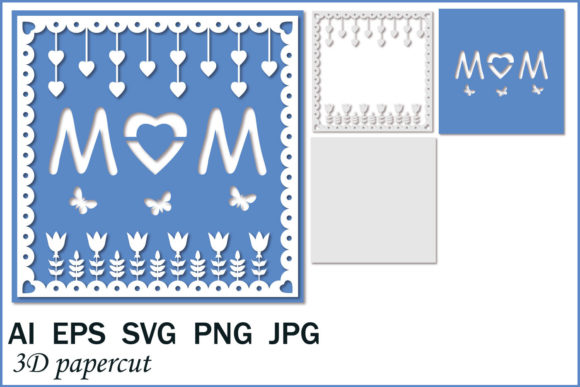
As a designer who has spent years navigating the intersection of digital assets and physical craftsmanship, I approach every new file with a critical eye. The market is flooded with generic machine embroidery design options, but finding one that truly translates from screen to stitch requires careful evaluation. Today, I am reviewing the Mom SVG Cut File, Shadow Box, a product listed under Crafts and Graphics that promises a multi-layered Mother's Day greeting card template suitable for shadow boxes, paper clipping, and handmade cardboard projects. While the description highlights its utility as a printable postcard or birthday gift, my focus here is on how this specific graphic asset performs when adapted for real-world textile applications like custom apparel, tote bags, and personalized home decor.
First Impressions: Visual Weight and Layering Potential
The first thing that strikes me about the Mom SVG Cut File, Shadow Box is its inherent sense of depth. Designed originally for paper crafting and shadow boxes, the multi-layered nature of the file suggests a visual personality that relies on dimension rather than flat density. In the world of embroidery project planning, this is a double-edged sword. On one hand, it offers a unique aesthetic that moves away from standard flat fills. On the other, translating "layers" into thread requires strategic thinking regarding stitch density and stabilizer choice.
The mood created by this design is warm, nostalgic, and distinctly celebratory. It feels less like a corporate logo and more like a cherished memory captured in thread. For an Etsy seller or a small shop owner looking to create high-value handmade product items, this emotional resonance is crucial. However, before committing to a client order, I always ask: does the detail level hold up when scaled down? The intricate lines intended for paper clipping might become muddy if converted directly into a dense fill stitch without simplification. The layout suggests that the magic lies in the negative space between layers, which means the background fabric will play a significant role in the final look.
Translating Paper Layers to Textile Realities
Imagine you are preparing a custom embroidered sweatshirt for a boutique holiday collection. You want something that stands out against the soft fleece. Using the Mom SVG Cut File, Shadow Box as the basis for your embroidery file conversion presents an exciting challenge. Because the original concept is built on layers, a smart designer would consider using an applique design technique. Instead of trying to stitch every layer with thread, you could cut the base shapes from felt or cotton and use satin stitching to define the edges, mimicking the paper-clipping effect described in the product details.
This approach works exceptionally well for tote bag design and pillow covers where the fabric is sturdy enough to support multiple layers of material. The visual appeal shifts from a simple print to a textured, tactile experience that customers can feel. For personalized gift scenarios, such as a wedding favor or a Mother's Day keepsake, this method elevates the perceived value of the item significantly. The finished product feels bespoke, moving beyond mass-produced commercial embroidery into the realm of artisanal craft.
However, we must be realistic about limitations. If you attempt to stitch this entire multi-layered composition in thread alone on a thin baby embroidery garment, the risk of puckering increases dramatically. The density required to mimic the shadow box effect could overwhelm lightweight knits. In these cases, the design might need to be simplified, perhaps focusing only on the primary silhouette and using a delicate running stitch for the finer details, ensuring the fabric breathes and drapes naturally.
Navigating Fabric Challenges and Stitch Clarity
When working with a complex graphic like the Mom SVG Cut File, Shadow Box, the choice of fabric texture cannot be overlooked. This design thrives on clean lines and distinct separation between elements. On textured fabrics like linen or heavy denim, the smaller details might get lost in the weave. Conversely, on smooth cotton poplin or twill, the definition remains sharp. For custom apparel like caps or hats, the curved surface adds another variable. The layered aspect of the design might distort if the hoop size is too small to accommodate the curve properly.
I always advise testing the design on scrap fabric first. Print out a mockup of the Mom SVG Cut File, Shadow Box at the exact scale you intend to embroider. Place it over your chosen fabric to gauge the thread colors contrast. Dark fabrics often require a backing layer of white or light-colored thread to make the shadows pop, effectively creating the "shadow box" illusion through color blocking rather than just physical layering. This is a pro tip for any small business merchandise line aiming for professional results.
Furthermore, consider the washing durability. Items like kitchen towels or aprons undergo frequent laundering. A design with high stitch density might crack or stiffen over time. If you are using this for holiday embroidery gifts that will be washed often, opt for a slightly lower density and ensure you use a high-quality stabilizer. The longevity of the finished product is a direct reflection of your brand trust. Customers expect their embroidered patch or sweatshirt to look as good after ten washes as it did on day one.
Strategic Use for Crafters and Digital Sellers
For those selling digital assets or offering printable mockup services, the Mom SVG Cut File, Shadow Box offers versatility. Even if you are not doing the stitching yourself, understanding how this Graphics file behaves helps you guide your buyers. You can create stunning digital product previews that show potential clients exactly how the design looks on a canvas tote or a nursery blanket. This transparency builds buyer engagement and reduces return rates.
If you are a craft business owner, think about the commercial application. Can this design be licensed for resale? Always confirm the licensing terms before selling finished items. Assuming you have the rights, this design fits perfectly into the narrative of thoughtful, handmade gifting. It appeals to the demographic looking for something personal and unique, distinct from the generic designs found in big-box stores.
To maximize the impact, compare light and dark fabric backgrounds during your design phase. The shadow box effect relies heavily on contrast. A black thread on a navy sweatshirt might disappear, whereas gold or cream thread would shine. Test these combinations in your software before sending the digital embroidery file to the machine. This attention to detail separates a hobbyist from a professional decorator.
Final Thoughts on Practical Application
The Mom SVG Cut File, Shadow Box is a compelling asset for designers willing to put in the extra effort to translate its paper-craft origins into textile form. It is not a "load and go" design; it requires thought, adaptation, and a keen eye for fabric interaction. When used correctly—perhaps as an applique on a heavy canvas bag or a simplified motif on a baby blanket—it creates a stunning, emotionally resonant piece.
Remember to check your hoop size, inspect small details for clarity, and always test on scrap material. By treating this design assets with respect and technical precision, you can create personalized products that stand out in a crowded market. Whether for a holiday gift, a wedding keepsake, or a boutique collection, the potential for creativity here is immense, provided you navigate the transition from digital file to stitched reality with care and expertise.